

Themes

Where we expect AI-driven value to move next.

01 /

Compute as the scarce resource

AI progress is increasingly bounded by access to compute: the chips, clusters, networks, and data centers that turn model ideas into usable capability. We focus on who controls that capacity, where it is built, and which bottlenecks determine the pace of the next wave.

02 /

Power for intelligence

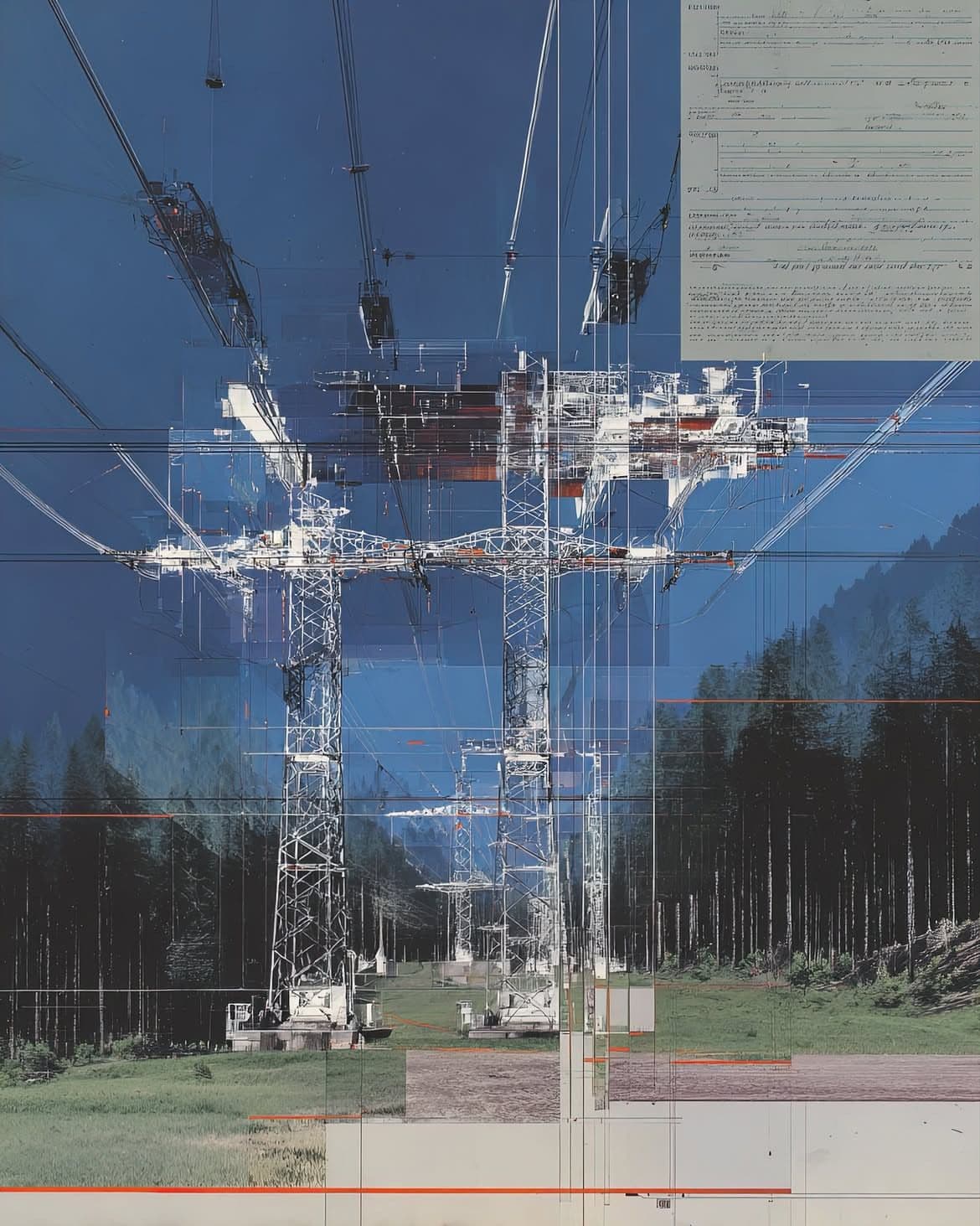
Large-scale AI has become an energy problem as much as a software problem. New data centers require power, grid connections, transformers, cooling, and permitting on timelines that often run far longer than model cycles. That mismatch creates both constraints and opportunities.

03 /

Sovereign AI and security

AI is moving from a commercial platform race into a matter of national capability. Governments are funding domestic compute, defense systems, secure supply chains, and dual-use infrastructure. These decisions can look uneconomic at the company level while remaining rational at the state level.

04 /

Capital after cognitive abundance

Most public-market valuations still assume that skilled human cognition is scarce. If AI makes more cognitive work cheap and widely available, margins, moats, and labor-linked revenue pools will not all reprice the same way. We look for businesses that can compound through that shift — and for those whose advantages may not survive it.

05 /

The physical substrate

AI infrastructure depends on materials that cannot be scaled by software alone: copper, rare earths, gallium, uranium, industrial gases, cooling equipment, and grid hardware. Supply in these markets moves slowly, while compute demand can move in quarters. That timing gap matters.

06 /

Science at machine speed

AI is shortening discovery loops in fields where progress used to depend on years of trial and error. Biology, chemistry, materials science, and drug development are beginning to run on faster cycles of generation, simulation, and testing. The companies that adapt can change the economics of R&D.

07 /

Embodied intelligence

AI is starting to move from screens into physical work. Better models, cheaper sensors, improved actuators, and large-scale training data are pushing robots from controlled demos toward useful deployment. The important question is not whether every task is automated, but which labor markets begin to reprice first.